
Modern outbound teams rely on far more than static lead lists and basic contact databases. GTM workflows now combine enrichment data, buyer signals, visitor activity, automation layers, and account research before outreach even begins. Stronger GTM intelligence improves targeting quality and reduces wasted outbound effort. Different platforms contribute different types of intelligence to outbound operations. Some track visitors; others automate workflows.
Some GTM platforms focus on manually reviewed prospecting data. Others specialize in automation workflows, customer signals, visitor intelligence, or large-scale data infrastructure. Outbound teams often combine multiple research layers before building campaigns. Workflow structure matters just as much as raw data volume during prospecting. Here are the platforms worth knowing.
GTM Platforms Changing How Teams Build Outbound Workflows
The platforms below approach GTM intelligence from very different angles. Some prioritize manually reviewed prospecting data. Others focus on workflow automation, customer behavior signals, or outbound infrastructure. Businesses rarely rely on one type of intelligence during modern prospecting campaigns anymore. Your stack depends on outbound complexity, targeting priorities, and internal workflow structure. Here is a quick overview:
- Emarketnow focuses on manually reviewed outbound prospecting data for targeted campaigns.
- Clay provides GTM workflow automation and enrichment orchestration tools.
- Common Room specializes in customer intelligence built around behavioral signals and community activity.
- Warmly delivers visitor intelligence and buying signal insights for outbound workflows.
- People Data Labs supports large-scale enrichment and prospect data infrastructure workflows.
Every platform below contributes different forms of intelligence depending on how your outbound team structures prospecting and account research workflows. Let us dive in.
1. Emarketnow

Emarketnow’s GTM prospecting platform focuses on manually reviewed prospecting data for outbound sales campaigns. You build targeted contact lists using filters like industry, company size, revenue, location, and job titles. The platform prioritizes cleaner targeting and fresher contact records instead of automated scraping systems. Tighter filtering standards reduce irrelevant outbound activity. No automated junk here.
Strongest Alignment
Emarketnow works especially well for businesses prioritizing prospect accuracy, cleaner segmentation, and manually reviewed outbound data. The platform focuses more on relevance than contact volume. Precision over scale.
Emarketnow puts strong attention on validation workflows and tighter prospect filtering before delivery. Cleaner targeting improves outbound precision during account research and prospect qualification. Key strengths include:
- Human-reviewed B2B prospecting data;
- Double-validated work emails and mobile numbers;
- ICP-focused segmentation workflows;
- Industry-specific targeting support;
- U.S.-focused outbound prospecting.
Emarketnow fits outbound teams looking for cleaner targeting and more controlled prospecting workflows instead of massive contact exports.
2. Clay
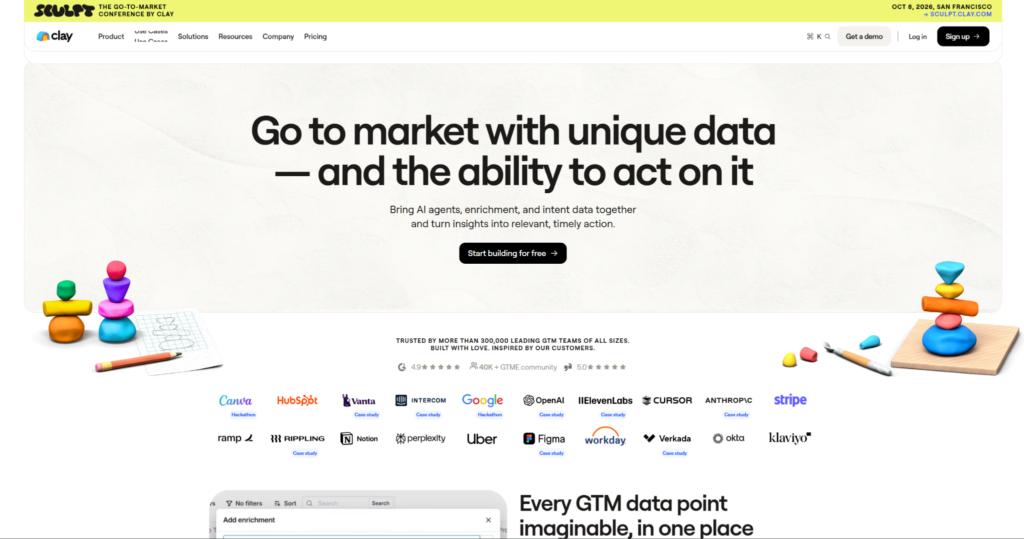
Clay focuses heavily on GTM workflow automation and outbound data orchestration. Many revenue teams use Clay to combine enrichment sources, automate research workflows, and structure outbound preparation more efficiently. The platform operates more like a workflow layer than a traditional contact database. Flexibility and automation drive its positioning. No static lists here.
Best Operational Match
Clay works especially well for outbound teams building custom prospecting workflows and enrichment pipelines. Automation-heavy teams get the most value from it. Build what you need.
Clay’s strongest value comes from workflow customization and outbound automation flexibility. Teams can combine multiple data sources into more structured research workflows. Key workflow features include:
- Workflow automation support;
- Multi-source enrichment orchestration;
- Custom outbound research flows;
- Prospect data structuring;
- GTM workflow customization.
Clay fits businesses prioritizing automation-heavy outbound operations and more advanced workflow control.
3. Common Room
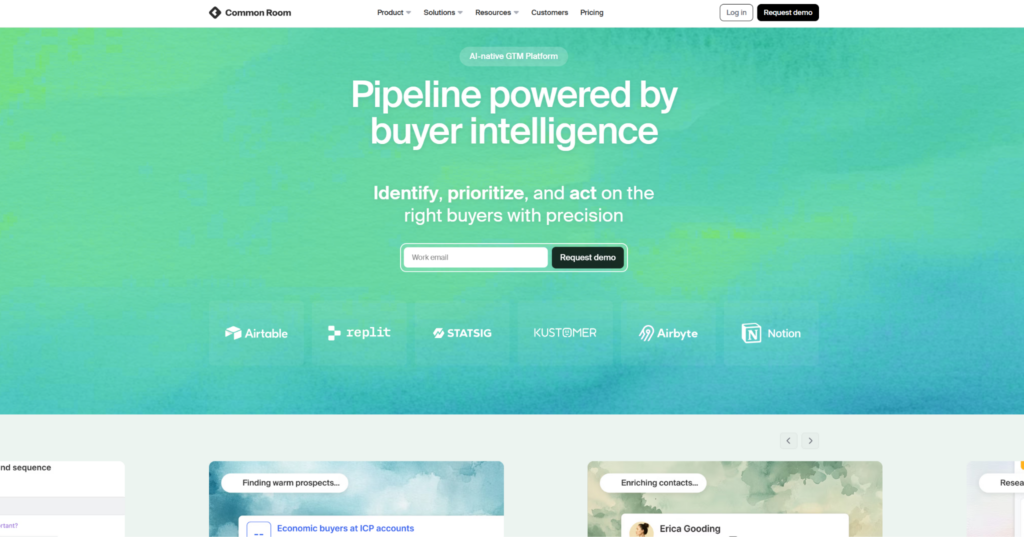
Common Room focuses on customer signals, community activity, and behavioral research workflows. Many GTM teams use the platform to monitor engagement patterns across online communities and digital touchpoints. Customer behavior signals strengthen outbound timing and account prioritization. Common Room approaches prospecting differently from traditional enrichment or contact discovery tools. Context matters more than contact counts.
Ideal Team Profile
Common Room works best for teams relying heavily on community engagement, behavioral signals, and audience activity during prospecting workflows. Timing and context become stronger advantages here.
Common Room’s strongest value comes from visibility into customer activity and engagement trends before outreach begins. Behavioral signals improve account prioritization decisions. Key customer signal features include:
- Community activity tracking;
- Customer engagement visibility;
- Audience behavior insights;
- Account research workflows;
- Signal-based outbound support.
Common Room fits outbound teams wanting deeper visibility into customer activity before direct engagement starts.
4. Warmly
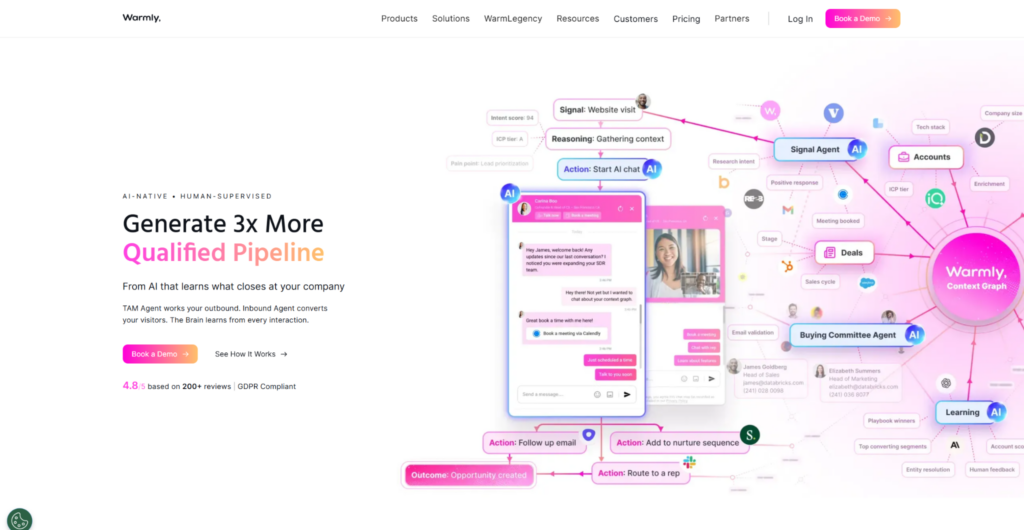
Warmly focuses on visitor intelligence and buyer signal tracking during outbound workflows. Businesses use the platform to identify website visitors, monitor engagement activity, and surface potential buying intent before direct outreach. Warmly combines visitor visibility with outbound timing insights. The platform prioritizes live engagement signals instead of static prospect databases. Real-time matters.
Most Effective Scenario
Warmly works especially well for outbound teams prioritizing visitor intelligence and real-time buying signals. Earlier engagement visibility improves outreach timing. Strike when interest is fresh.
Warmly’s strongest value comes from identifying account activity before traditional prospecting workflows begin. Visitor behavior helps outbound teams prioritize warmer opportunities. Key buyer signal features include:
- Website visitor identification;
- Buyer intent visibility;
- Engagement activity tracking;
- Outbound timing insights;
- Signal-driven prospect prioritization.
Warmly fits businesses wanting stronger visibility into live visitor activity and outbound timing opportunities.
5. People Data Labs
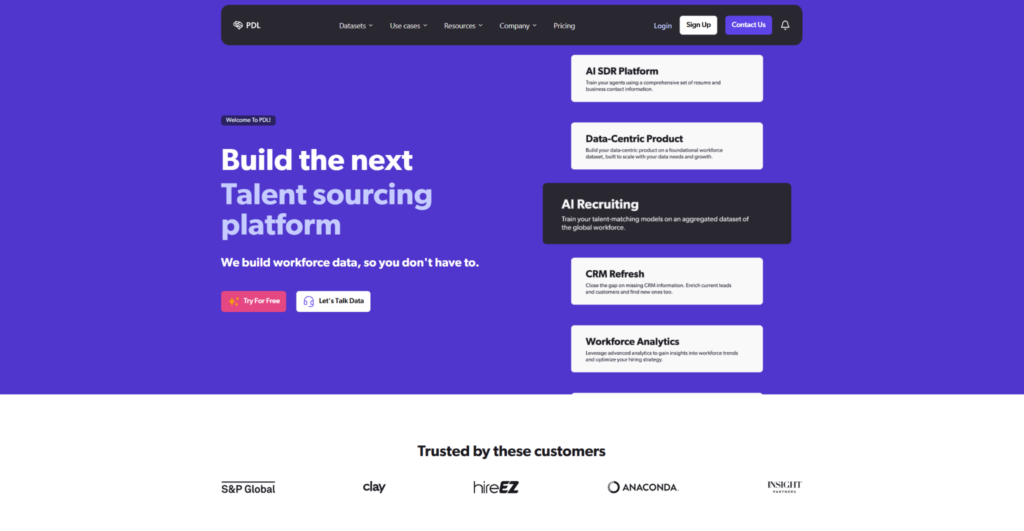
People Data Labs focuses on large-scale data infrastructure and enrichment workflows for GTM teams and data-driven organizations. Businesses use the platform to access broader datasets, enrichment APIs, and prospect information at scale. People Data Labs operates more like a backend data infrastructure layer than a traditional outbound prospecting tool. Scalability and structured workflows shape its positioning.
Best Environment
People Data Labs works best for businesses handling larger-scale enrichment operations and custom data workflows. Technical teams often benefit most from this type of infrastructure platform.
People Data Labs focuses heavily on scalable enrichment workflows and structured prospect data operations. Broader infrastructure flexibility matters for larger GTM environments. Key data infrastructure features include:
- Large-scale prospect datasets;
- Enrichment API support;
- Structured data workflows;
- Scalable GTM infrastructure;
- Custom enrichment operations.
People Data Labs fits organizations requiring deeper data infrastructure and larger-scale enrichment flexibility during outbound operations.
Final Thoughts
Modern GTM workflows depend on stronger targeting, cleaner research layers, and better outbound timing before campaigns even begin. Different platforms contribute different types of intelligence. Manually reviewed prospect data, visitor signals, workflow automation, and customer behavior all play a role. Modern outbound teams increasingly combine several research layers instead of relying on one static database.
Evaluate GTM intelligence platforms based on workflow compatibility, targeting precision, automation requirements, and outbound structure. Stronger research workflows improve outbound efficiency more than simply scaling lead volume. Different intelligence layers support different sales motions depending on account strategy and operational complexity. Focus on smarter workflow design and better prospect qualification. That is how you win.